
Train component replacement is essential for maintaining rail systems' reliability and operational efficiency. Over time, crucial parts such as rail anchors, railroad spikes, and track ballast can wear down due to constant use, weather conditions, and other environmental factors. If these components are not regularly replaced, they can lead to increased wear on the entire rail system, compromising both safety and efficiency.
Why Component Replacement Matters for Rail System Optimization
Rail systems rely heavily on the durability of each individual component. Replacing old and worn-out railway parts is a key element of rail system optimization. For example, railroad track maintenance and equipment servicing ensure the system's smooth operation, which is crucial for preventing unexpected delays or accidents. Components like rail ties and railroad track must be replaced to avoid costly disruptions. Furthermore, rail system optimization can enhance performance, minimize downtime, and increase the lifespan of rail equipment.
Proper railway refurbishment solutions can also extend the service life of existing infrastructure, making it more cost-effective. Regular rail safety inspections are necessary to identify worn-out parts and replace them before they can cause significant damage, reducing the risk of breakdowns and improving system reliability.
The Role of Regular Railway Equipment Servicing
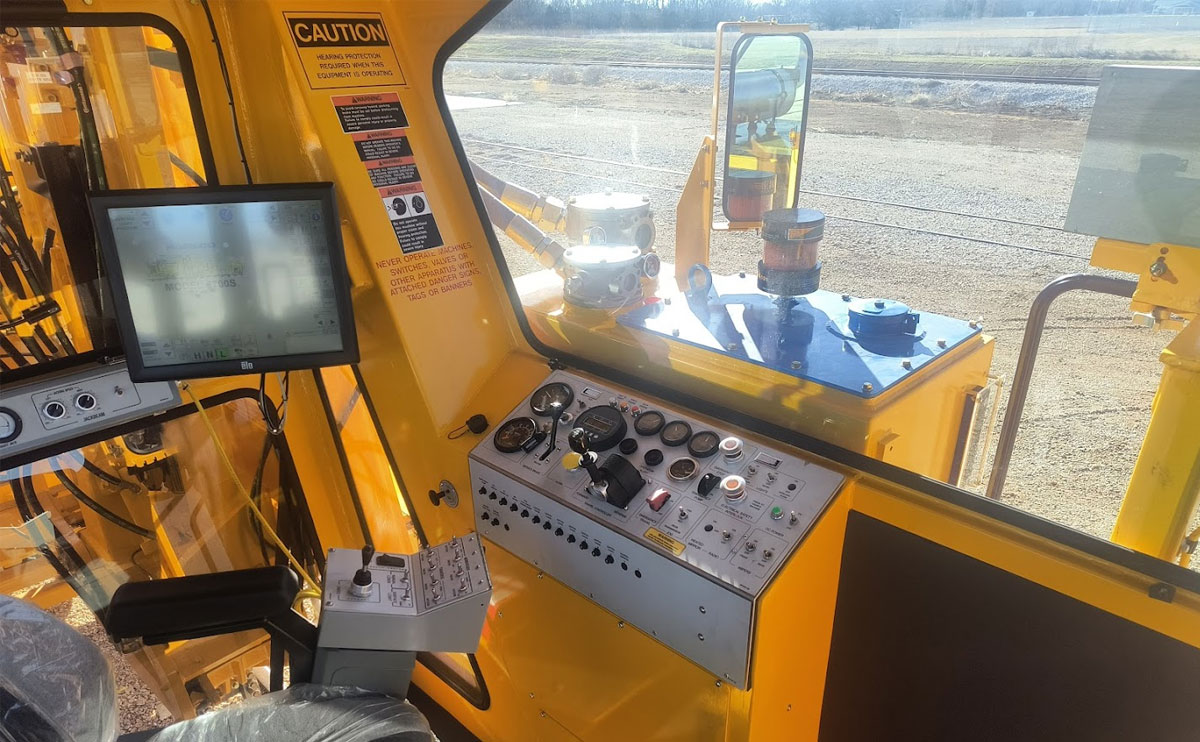
Regular railroad equipment servicing and rail fleet management help keep everything running smoothly. Components like railcar maintenance services, train parts suppliers, and rail equipment repairs all work together to ensure the trains and tracks remain in good condition. A proactive approach to component replacement helps avoid catastrophic failures and ensures that trains and infrastructure operate at peak efficiency.
Conclusion: The Long-Term Benefits of Regular Train Component Replacement
In conclusion, regularly replacing train components is vital for maintaining an optimized rail system. By investing in the timely replacement of railway parts and railroad equipment repairs, rail operators can significantly enhance safety, reduce costly downtime, and ensure the long-term efficiency of their rail networks. Railroad construction and rail system optimization go hand in hand in creating a reliable and safe transportation infrastructure.